Understanding the Importance of Professional Boundaries
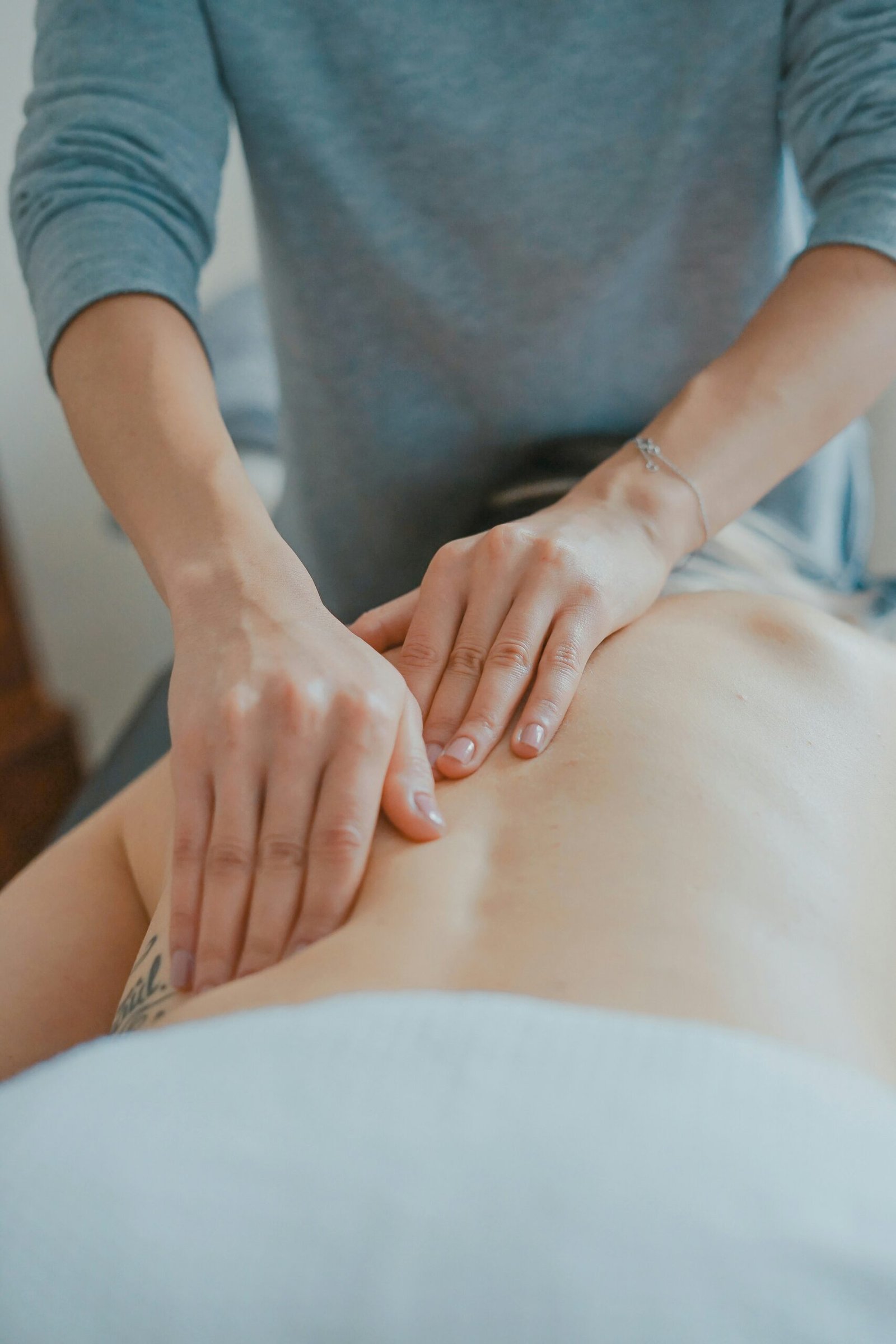
Maintaining professional boundaries during a massage therapy session is paramount to ensuring a safe and comfortable environment for both the client and the therapist. These boundaries are not merely guidelines but essential elements that foster trust, respect, and professionalism. A clear understanding of these boundaries is crucial to the therapeutic relationship and the overall efficacy of the treatment.
Professional boundaries serve as a framework that defines the roles and expectations of both the therapist and the client. The therapist’s role is to provide a therapeutic service that promotes health and well-being while adhering to a code of conduct that prioritizes the client’s safety and comfort. This involves respecting the client’s privacy, maintaining confidentiality, and creating a professional atmosphere where the client feels secure.
Respecting these boundaries is vital for several reasons. Firstly, it helps in establishing trust between the therapist and the client. When boundaries are clearly defined and respected, clients are more likely to feel at ease, which can enhance the overall effectiveness of the massage therapy session. Secondly, it prevents any misunderstandings or miscommunications that could potentially lead to discomfort or harm. Clear boundaries ensure that both parties are aware of what is appropriate behavior during the session.
Ethical guidelines play a significant role in maintaining these boundaries. Massage therapists are trained to follow a set of professional ethics that include obtaining informed consent, practicing within their scope of expertise, and refraining from any behavior that could be perceived as inappropriate or unprofessional. These guidelines are designed to protect both the therapist and the client, ensuring that the therapeutic environment remains respectful and focused on the client’s well-being.
By adhering to these professional boundaries and ethical guidelines, massage therapists can create a space where clients feel respected and cared for. This mutual respect and understanding contribute to a positive and effective therapeutic experience, ultimately benefiting both the client’s health and the therapist’s professional integrity.
Preparing for Your Appointment
Ensuring a smooth and comfortable massage therapy experience starts with proper preparation. Arriving on time for your appointment is crucial. It not only shows respect for the therapist’s schedule but also provides you with a moment to relax and settle in before the session begins. Arriving early can also give you extra time to fill out any necessary paperwork without feeling rushed.
Dressing appropriately is another important aspect of preparation. Comfortable, loose-fitting clothing is recommended, as it allows for easy removal and redressing post-session. Additionally, being mindful of personal hygiene can significantly enhance the overall comfort for both you and your female massage therapist.
Before your appointment, it is advisable to communicate any health concerns or preferences you may have. This includes discussing any areas of pain, discomfort, or specific conditions that might require special attention. By providing this information upfront, you enable the therapist to tailor the session to your needs, ensuring a more effective and personalized experience.
Moreover, if you have any preferences regarding the massage environment—such as room temperature, lighting, or background music—do not hesitate to voice these. Most therapists are more than willing to make adjustments to create a more comfortable setting for their clients.
Being well-prepared also involves having realistic expectations about the session. Understand that a single massage may not resolve chronic issues, but it can provide significant relief and relaxation. Discussing your goals for the session with your therapist can help align both parties’ expectations and contribute to a positive and mutually comfortable experience.
In summary, thorough preparation for your massage therapy appointment can set a positive tone for your interaction with your female massage therapist. By arriving on time, dressing appropriately, filling out necessary paperwork, and communicating any health concerns or preferences, you contribute to a more comfortable and effective session for both you and the therapist.
Initiating the Conversation
Starting a conversation with your female massage therapist can set the tone for a comfortable and professional session. To initiate the conversation respectfully, consider opening lines that are both professional and friendly. For instance, you might ask about her experience in the field: “How long have you been practicing massage therapy?” This not only shows your interest in her expertise but also provides an opportunity for her to share her background, helping to build a rapport.
Another approach is to explain your specific needs or preferences for the session. You could say, “I have some tension in my shoulders; could we focus on that area today?” This kind of communication is crucial as it ensures your needs are met while giving the therapist clear guidance on how to tailor the session to your requirements. Additionally, it demonstrates your respect for her professional skills.
Engaging in light, neutral small talk can also ease the initial interaction. Questions like, “How has your day been so far?” or comments about the weather can serve as icebreakers without delving into personal territory. These topics are generally safe and help create a relaxed atmosphere.
Throughout the conversation, it is essential to be mindful of the therapist’s cues and body language. If she responds with short answers or appears preoccupied, it may be a sign that she prefers to maintain a quieter environment. On the other hand, if she engages enthusiastically, it indicates she is comfortable with a bit of chit-chat. Always respect her boundaries and adjust your approach accordingly to ensure mutual comfort.
By initiating the conversation with professionalism and attentiveness, you create a respectful and comfortable environment that benefits both you and your therapist. This foundation of mutual respect is key to a successful and enjoyable massage therapy session.
Maintaining Comfort Throughout the Session
Ensuring mutual comfort during a massage session with your female therapist is essential for a positive experience. Effective communication plays a pivotal role in this regard. If you find yourself needing adjustments, such as a change in pressure or room temperature, it is crucial to convey your needs clearly and politely. For instance, if the pressure feels too intense, a simple statement like, “Could you please use a bit less pressure?” can be quite effective. Similarly, if the room’s temperature feels uncomfortable, you might say, “Could we adjust the thermostat a bit? It’s a little too warm/cold for me.”
Providing feedback in a constructive manner is another key aspect. Positive reinforcement can help your therapist understand what is working well, while gentle suggestions can guide them to make necessary adjustments. For example, you might say, “I really appreciate the focus on my shoulders, but could you also pay a bit more attention to my lower back?” This type of feedback is valuable and helps in tailoring the session to your specific needs.
Silence also has its place in maintaining comfort. Sometimes, not engaging in conversation can enhance the relaxation experience. It allows both you and the therapist to concentrate on the massage, fostering a serene and tranquil environment. If you prefer silence, it is perfectly acceptable to express this preference at the beginning of the session. You could say, “I usually find that I relax best without much talking. I hope that’s okay with you.”
Ultimately, the key to a comfortable massage session lies in open and respectful communication. By articulating your needs and preferences thoughtfully, you can ensure a mutually enjoyable experience, creating an atmosphere where both you and your female massage therapist feel at ease.
Leave a Reply